
Managing Chronic Pain With Physiotherapy
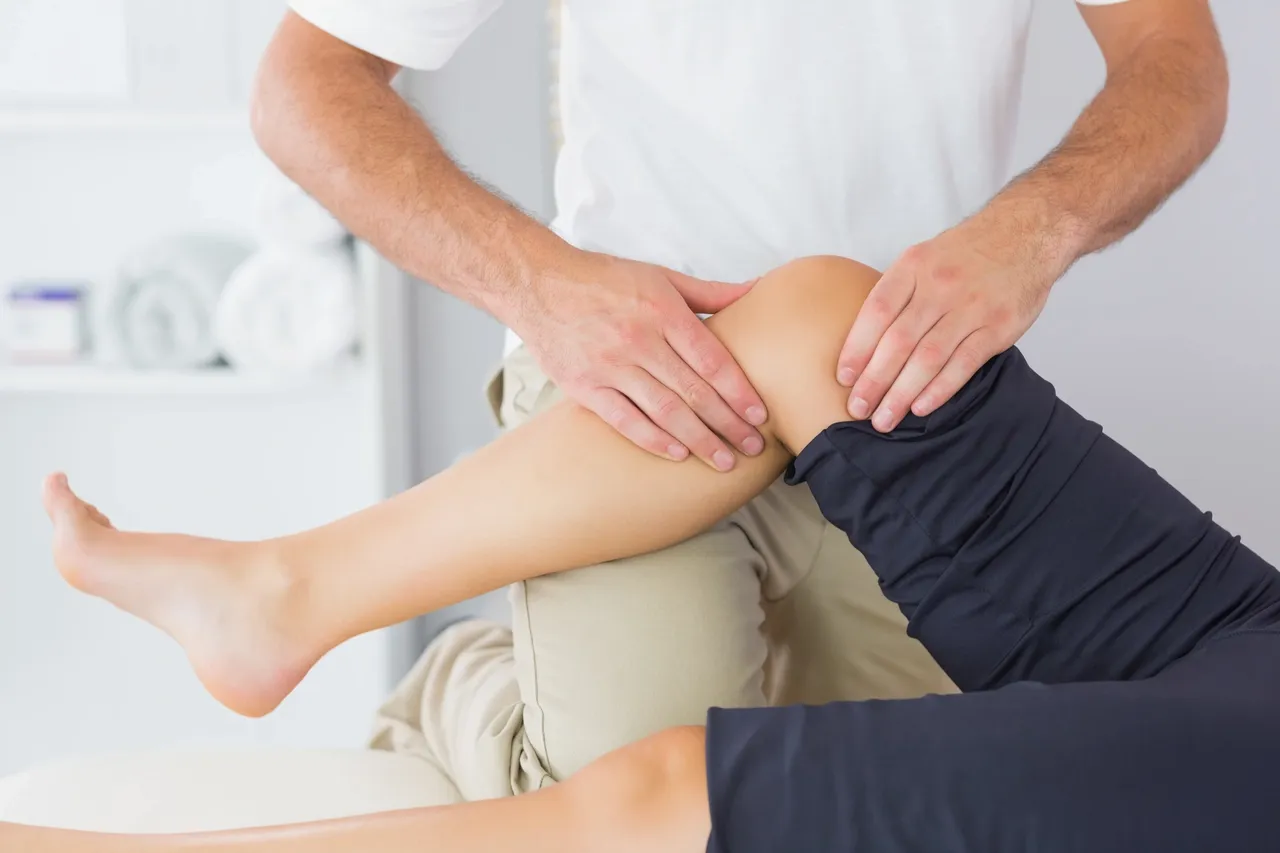
Embracing Relief Through Physiotherapy
Physiotherapy offers a holistic approach to easing chronic pain by addressing both the symptoms and underlying causes of discomfort. By integrating targeted exercises, manual therapy, and tailored rehabilitation strategies, individuals can experience improved mobility and reduced pain intensity. In this guide, you will discover practical methods to manage persistent pain and enhance your quality of life.
Physiotherapists use a range of techniques designed to restore balance and function, such as:
- Personalized exercise prescriptions to strengthen weakened muscles
- Manual therapy to alleviate joint restrictions and muscle tension
- Postural corrections and ergonomic advice for daily activities
These methods not only diminish pain but also empower you to take control of your health. Whether you are located in Burgess Hill or another community, the principles remain consistent: understanding your body, using consistent treatment routines, and making lifestyle adjustments. Prepare to learn how these evidence-based strategies can lead to lasting relief and help you reclaim an active, fulfilling life. Enjoy a journey where informed decision-making sets the foundation for improved physical well-being.
Tailored Steps for Transforming Chronic Pain Relief
Embarking on a personalized physiotherapy journey begins with understanding your unique pain triggers and the impact on your daily life. Follow these actionable steps to discover lasting relief:
- Comprehensive Assessment: Your physiotherapist will begin by analyzing your pain history, current symptoms, and functional limitations. This detailed evaluation is essential to create a treatment plan that truly addresses your needs.
- Customized Treatment Planning: Based on the assessment, a tailored plan is developed. This plan may include manual therapy, targeted exercises, and modalities like electrotherapy, ensuring each session is structured to ease your chronic pain.
- Active Engagement: During treatment, you will actively participate in exercises designed to restore mobility and build strength. Local practitioners in Burgess Hill often integrate balance and flexibility routines that complement manual techniques effectively.
- Continuous Monitoring: Regular follow-up sessions allow adjustments and progress tracking. This iterative process ensures that your recovery evolves with your changing needs, maintaining momentum toward improved well-being.
Remember, a proactive approach combined with expert guidance can pave the way to reclaiming an active, pain-managed lifestyle. Stay committed, and step-by-step, achieve effective chronic pain relief.
Discover Innovative Approaches to Ease Chronic Pain
When chronic pain disrupts daily living, exploring a range of physiotherapy techniques can offer much-needed relief. Manual therapy is frequently employed to gently manipulate soft tissues and joints, improving mobility while reducing discomfort. Coupled with tailored exercise therapy, these treatments empower individuals to regain strength and flexibility in a structured and safe environment. In cities like Burgess Hill, patients benefit from personalized programs that address their unique pain triggers and functional limitations.
Key techniques include:
- Manual Therapy: Hands-on techniques to mobilize joints and loosen tight muscles.
- Exercise Therapy: Customized routines that enhance stability, flexibility, and overall endurance.
- Postural Re-education: Exercises and adjustments to help correct alignment, thereby reducing strain on the body.
- Supportive Modalities: Complementary treatments that may involve soft tissue mobilization and sensorimotor training to optimize recovery.
By integrating these methods, physiotherapists create comprehensive treatment plans that not only tackle pain symptoms but also target the root causes. This approach encourages long-term improvement and active participation in one’s own healing process, ultimately leading to a better quality of life.
7 Essential Ways to Seamlessly Integrate Physiotherapy Into Your Daily Life
- Designate a Dedicated Time Slot
Reserve a specific time each day for your physiotherapy exercises. Consistency is key to managing chronic pain and building muscle memory. - Practice Active Posture Maintenance
Incorporate brief posture checks throughout the day to ensure proper alignment, reducing strain on joints and muscles. - Implement Mobility Breaks
Take short, regular breaks from sedentary tasks to perform gentle stretching and range-of-motion exercises, especially during long work hours. - Utilize Home-Based Exercise Routines
Adapt simple physiotherapy routines within the comfort of your home or local community spaces in Burgess Hill to maintain flexibility and alleviate tension. - Integrate Breathing and Relaxation Techniques
Combine deep breathing exercises with your therapy sessions to lower stress and enhance physical recovery. - Track Your Progress
Keep a daily log of pain levels and mobility improvements. This can help tailor your routine and provide valuable insights during follow-up consultations. - Listen to Your Body
Modify your routine based on how your body responds. Consistent self-assessment ensures that your physiotherapy practice effectively targets chronic pain while fitting your lifestyle.
How Does Physiotherapy Help Manage Chronic Pain?
Physiotherapy offers a comprehensive approach to chronic pain management, combining manual therapies, targeted exercises, and education. By addressing the root causes of discomfort, physiotherapists help reduce inflammation, improve mobility, and restore function. Treatments are designed to be specific to your needs with techniques that promote natural healing, making it an essential component in the battle against persistent pain.
What Outcomes Can I Expect From a Physiotherapy Program?
Patients often experience decreased pain levels, enhanced range of motion, and improved quality of life. Consistent sessions can lead to sustained benefits as exercises are tailored, ensuring long-term relief and preventing further injury.
Are Home-Based Exercises Included in the Treatment Plan?
Yes, physiotherapists incorporate home routines to ensure ongoing improvement. These personalized programs empower you to manage pain effectively.
Can Physiotherapy Address Conditions Like Arthritis or Sports Injuries?
Absolutely. Treatments for conditions such as arthritis, lower back pain, and sports-related injuries are common. Specific exercises and manual therapies work to stabilize affected joints or muscles.
What Should I Expect During an Initial Consultation?
During the first session, experts conduct a thorough assessment. This may include a detailed history, physical examination, and discussion of goals, ensuring a customized treatment plan for your chronic pain management.
Wrapping Up: Embracing a New Chapter in Pain Management
Exploring physiotherapy for chronic pain offers a promising path toward improved mobility, reduced discomfort, and an overall better quality of life. Chronic pain can be overwhelming, but targeted physiotherapy treatments have repeatedly proven effective in alleviating symptoms and empowering individuals to regain control over their daily routines. By integrating tailored exercise programs, manual therapies, and expert guidance, physiotherapy addresses not only the symptoms but also the underlying causes of pain.
Key takeaways include:
- Personalized Treatment: Tailored exercise regimes and hands-on therapies pave the way for recovery.
- Holistic Benefits: Reduced inflammation, increased strength, and improved balance contribute to a healthier lifestyle.
- Local Expertise: In regions like Burgess Hill, professional physiotherapists bring both compassionate care and in-depth knowledge to the table.
As you consider your options, remember that physiotherapy is a proactive step towards long-term relief. Evaluate your situation, consult with professionals, and take note of practical steps that can be integrated into your recovery journey. The power to live a more active and fulfilling life lies in making informed treatment choices—now is the moment to invest in your well-being.